






If you are interested in a hair transplants, you should know that the three most popular techniques to get your hair back are as follows: FUE, DHI, and FUT. When choosing the right course of treatment for you, it's crucial to consider the distinctions between these techniques even though they provide outcomes that are similar to each other.
What is FUE?
The extraction of follicular units is known as FUE. The process involves taking individual hair follicles from the back of the head, which has the highest volume and density. The hair follicle is then inserted into the small tubes that have been cut into the scalp. The DHI approach is done in one step, while FUE treatment requires two steps.
Hair transplantation by FUE is the most popular method in this field. Because each hair is removed separately, it can be used on a larger area and leaves no obvious incision marks. There may be some small scars, but they will not be very visible. With a high success rate, this technique is considered very safe. However, due to the nature of the process, it takes longer to complete: about six to eight hours.

What is DHI?
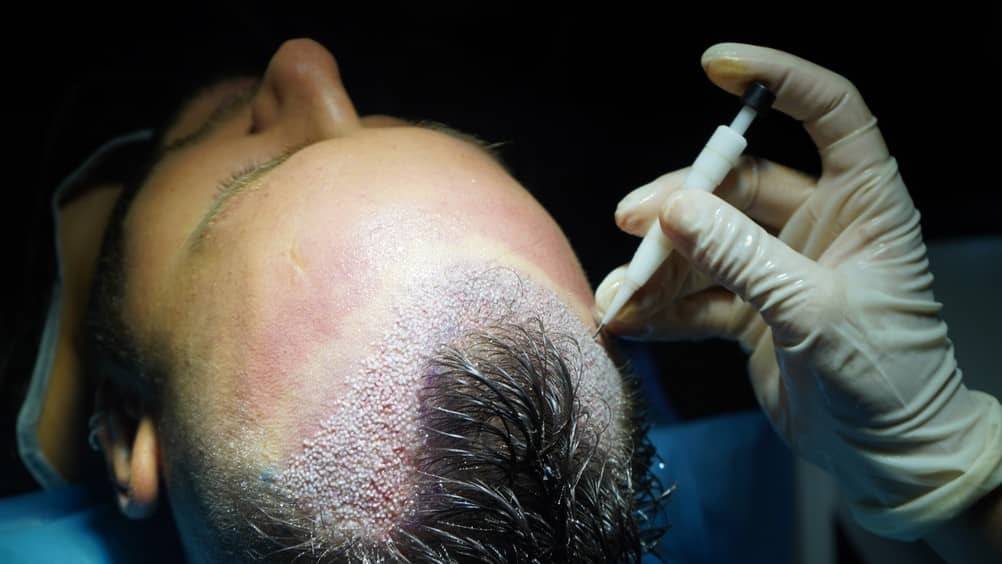
Direct Hair Implantation, or DHI. Since each hair follicle is extracted separately from the back of the head, this procedure is comparable to FUE. Nonetheless, the removed grafts are put into the scalp right away using a unique tool known as the Choi Implanter Pen. The hair follicles from the donor location are extracted and then implanted into the recipient site, where they will develop and produce new hairs.
Only the donor site has to be shaved while using this technique; the rest of the head doesn't need to. It is also the most costly of the three because it is the most sophisticated and has the highest success rate. Results will be visible in six to twelve months, and recovery is accelerated with this procedure.
What is FUT?
Follicular unit transplantation is known as FUT. It is the least expensive of the three methods; hair follicles are extracted one at a time from the nape of the neck after removing a strip of skin. Instead of removing individual follicles, an entire strip of hair is removed, unlike FUE and DHI. The transplanted hair is then inserted into small holes created in the scalp.
This method typically leaves a lengthy scar. Since FUT was the first hair loss treatment to be created, its success rate is lower than that of FUE or DHI since it is not as sophisticated as these other methods.

Why Should You Consider A Hair Transplant?
Patients who wish to add volume to their hair can benefit greatly from hair transplantation. It helps with hair loss and can improve appearance and self-esteem. By transferring healthy follicles to a thinning or wavy area of the head, hair transplantation can stimulate the development of new hair. However, depending on the number of grafts needed, they can be expensive.
The Procedure
Whether you choose a FUE transplant, DHI or FUT, a local anesthetic will be administered, and the hair will be shaved during the process. After extraction, hair follicles from the donor area will be transplanted into the recipient area. After the treatment, a bandage and antibiotic cream will be administered.
Aftercare
Slight pain may be experienced after hair transplantation, so it is recommended to take painkillers and anti-inflammatories that will be prescribed by your doctor. Prevention of infection is another reason why doctors may prescribe antibiotics. For about three weeks, patients are not allowed to brush their hair and are advised to refrain from using any kind of headgear or hat. Exercise should be avoided for about a week, and patients can resume their regular lifestyle after a few days. To avoid difficulties, the doctor's precise recommendations for post-transplant care should be followed.
Which Is The Best Hair Transplant Technique?
The best hair transplant treatment will ultimately be decided by the client, the results they wish to achieve, and the doctor's experience. It is the most accurate, recovers fastest, and leaves no noticeable scars.
All three methods are useful, however, and it is crucial to remember that each patient is unique. Consequently, you should talk with your surgeon to decide which approach is best for you. In the end, it will be up to you and your doctor to decide whether to undergo DHI, FUE, or FUT treatment. Based on the type of hair loss, the extent of the region where hair is thinning, and the quality and quantity of donor hair available, your doctor will help you make a decision.
Not every approach works for every situation. Because they have received considerable training in both procedures, the surgeons at Queen Clinic are qualified to provide you with the right advice and recommendations. Speak with one of our surgeons to find out which option could be best for your specific circumstances.
 EN
EN  IT
IT  FR
FR  ES
ES